How QR Codes Are Reshaping Modern Marketing Campaigns

0 Comments
qr code

Marketing once relied on guesswork and crossed fingers. Then smartphones became extensions of our hands. QR codes stepped into that gap and changed campaign mechanics fast. A small square now connects billboards to checkout pages in seconds. Many brands even start with a free dynamic qr code generator to launch campaigns without high upfront costs. That shift has reshaped how campaigns are planned, launched, and measured.

From Static Print to Instant Interaction

Print ads used to end with “Visit our website.” Many people never did. A scannable code removes that extra step and shortens the distance between interest and action. Someone sees a poster, lifts a phone, and lands on a landing page in one motion. The barrier drops, and response rates often climb. This simple bridge has revived flyers, brochures, and packaging as active marketing tools. Offline space now behaves like a clickable screen. Marketers have noticed the difference. A magazine page can trigger video demos or limited offers without cluttering the layout. Even product boxes now act as silent sales reps. “Scan me,” they whisper, and customers often listen. That small prompt turns passive readers into participants. Campaigns feel alive instead of frozen in ink.

Personalizing the Customer Journey

Consumers expect relevance. Generic messaging feels stale. QR codes help brands direct different audiences to different experiences. A shopper scanning in-store might see a discount, while a social media viewer gets a behind-the-scenes clip. Same campaign. Different doorway. This approach makes interactions feel more personal. A fitness brand, for example, can link gym posters to workout plans and supplement packaging to nutrition guides. Customers receive context instead of clutter. That clarity builds trust over time. People appreciate when brands respect their time. A quick scan that solves a problem earns goodwill. It feels efficient, almost like a shortcut whispered between friends. Campaigns that deliver value quickly tend to stick in memory. Relevance wins.

Data Collection Without Friction

qr code

Modern campaigns demand numbers. Teams want proof, not vibes. QR codes provide trackable insights tied to specific placements. Each scan reveals location, time, and device type. That data helps marketers adjust budgets with clarity. Imagine running two posters in different neighborhoods. One gets triple the scans. The result speaks louder than assumptions. Decisions become sharper because the evidence is visible. Marketing stops feeling like throwing darts in the dark. This feedback loop changes strategy mid-campaign. If engagement dips, teams tweak the offer or message. The code remains the same, but the destination can shift. Flexibility like this keeps promotions agile. Brands move faster because the information arrives quickly.

Powering Omnichannel Campaigns

Modern marketing spreads across social platforms, email, events, and retail spaces. QR codes stitch those channels together. A live event banner can guide attendees to a signup page. Product packaging can lead buyers to loyalty programs. One symbol connects multiple touchpoints. This integration strengthens consistency. The message stays aligned even as customers move between physical and digital spaces. Brands gain a clearer picture of how audiences interact across channels. That visibility …



Levelling Up on TikTok: How Brands Can Get Gen Z to Tap “Follow”

0 Comments
tiktok

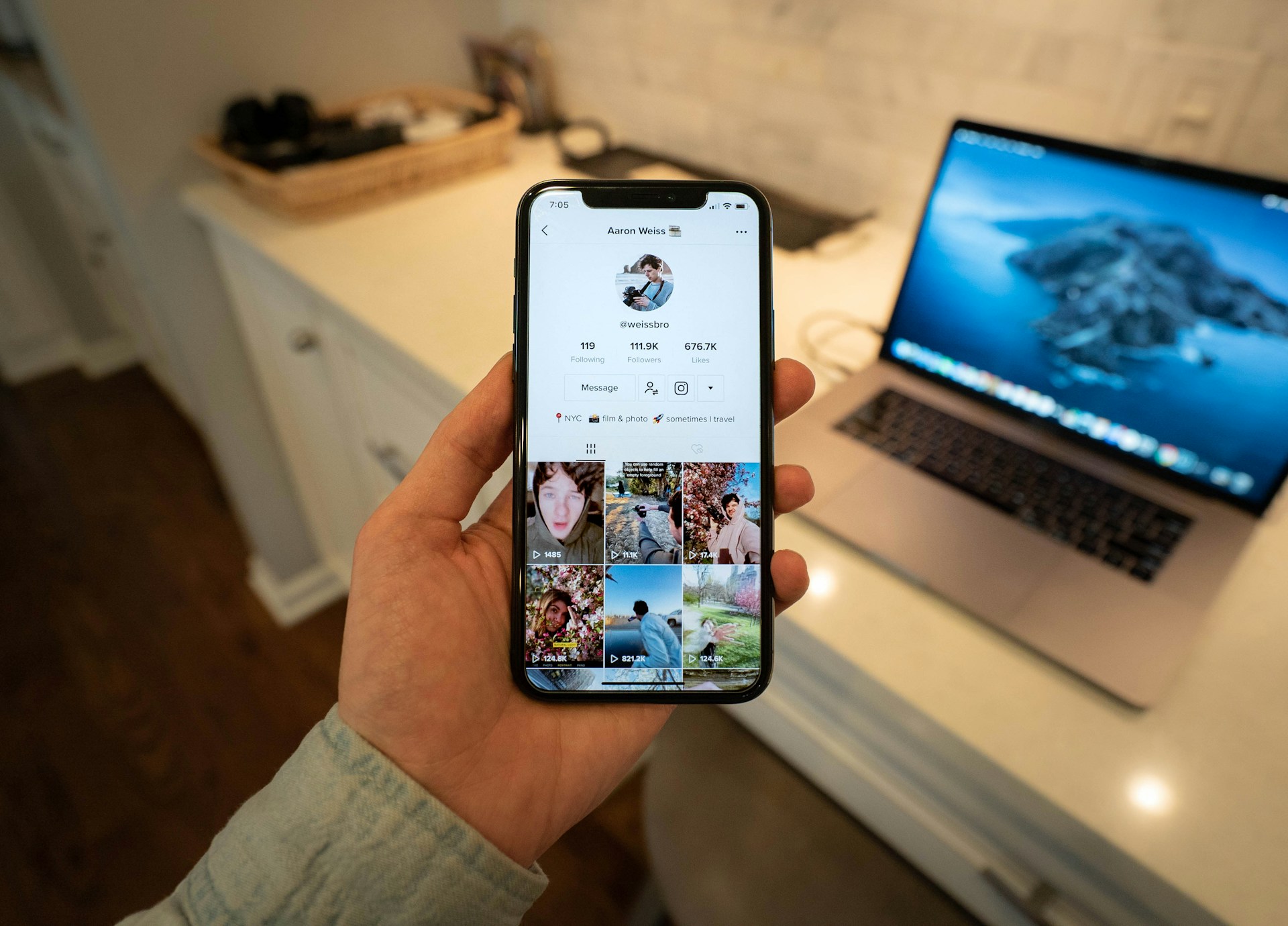
As a vibrant platform that has become a playground for brands to connect with the elusive younger demographic, TikTok has finally reached a whopping active user number, over 800 million users worldwide. But how can your brand capture their hearts, minds, and, most importantly, their coveted “Follow” button? Or, for any case, how can you set up marketing strategies for roofing companies? Fear not, guys. This post will be your BFF to learn the secrets of leveling up your brand’s presence on this addictive app.

Ditch the Script and Stay Authentic

When it comes to TikTok, authenticity is the name of the game. Gen Z can easily sniff out inauthenticity from a mile away, so ditch that script and let your brand’s true personality shine through. Forget about perfectly polished videos and scripted dialogues – embrace imperfections and quirks that make your content relatable. Be genuine in your approach – show the people behind the brand. Let them see their faces, hear their voices, and feel like they are part of something real. Gen Z loves brands that aren’t afraid to be themselves, so don’t be afraid to let loose and have some fun.

Keep the Content Snappy

woman

It’s not a secret that Gen Z has a short attention span, so you need to hook them within the first few seconds of your video. Get straight to the point and make every second count. One way to keep things snappy is by using quick cuts and transitions between shots. This helps maintain a fast-paced rhythm and keeps viewers engaged. Embrace your creativity and experiment with different editing techniques – the more unique and visually appealing, the better. Remember that TikTok videos are limited in length, so use concise captions that complement your visuals. Short and punchy captions grab attention quickly and encourage users to watch until the end.

Catch Those Viral Waves Without Wiping Out

With these tips, you’ll be able to catch those viral waves without wiping them out. It’s not that hard. You just need to pay attention to what’s popular on TikTok and find ways to incorporate those trends into your own content. Whether it’s a dance challenge or a hashtag trend, hopping on board with what’s hot will increase your chances of going viral. But remember, authenticity is key.

Don’t just copy what others are doing; put your own unique twist on things. Show off your brand personality and let your creativity shine through. Gen Z craves genuine connections with brands, so don’t be afraid to show them who you really are. Timing is everything when it comes to catching viral waves. Stay up-to-date with the latest memes and challenges so you can hop in early before they become oversaturated. Being one of the first brands to participate in a trend can give you an edge and help boost your visibility.

Find Your Brand’s Perfect TikTok Sidekick

TikTok is all about collaboration and finding the perfect partner to amplify your brand’s message. But how do …


How to Choose a Safe and Reliable TikTok Followers Service Provider

0 Comments
phone

In today’s digital age, having a strong social media presence is more important than ever. A large following on platforms like TikTok can help you establish yourself as an influencer, grow your brand, and even monetize your content. Some people may consider buying followers to jumpstart their growth, but it’s crucial to choose the right service provider to avoid potential risks. Art Daily will guide you through the process of selecting a safe and reliable TikTok followers service provider, so you can make an informed decision.

Why Consider Buying Followers?

The idea of purchasing followers may seem strange to some, but many creators and influencers see it as a shortcut to building their online presence. Moreover, having a large number of followers can help boost your credibility and attract organic growth. Like any online service, there are reputable providers and shady ones. It’s essential to conduct thorough research before making a purchase. By boosting their follower count, they hope to attract more organic followers and increase their chances of going viral.


tiktok


The Importance of Choosing the Right Provider

There are countless TikTok followers and service providers out there, but not all of them are created equal. Choosing the wrong provider can lead to a range of issues, such as:

  • Fake or low-quality followers that don’t engage with your content
  • Violation of TikTok’s terms of service, potentially resulting in account suspension or termination
  • Wasted money on ineffective services

To avoid these pitfalls, it’s essential to carefully research and select a reputable provider.

Types of TikTok Followers Service Providers

There are various types of service providers available, each with its own set of pros and cons. Some common categories include:

  • Organic growth services: These providers use legitimate methods to boost your follower count, such as promoting your content on other platforms or engaging with users in your target audience. While this approach may be slower, it often results in higher-quality followers who are genuinely interested in your content.
  • Instant follower providers: These services promise a quick influx of followers, often using automated bots or low-quality accounts. While this method may temporarily boost your numbers, it’s unlikely to result in long-term growth or engagement.
  • Hybrid providers: Some providers offer a mix of organic growth strategies and instant follower boosts. This approach may strike a balance between speed and quality, but it’s important to carefully evaluate the provider’s methods and reputation before committing.

There are also plenty of free options available, such as third-party apps or social media giveaways. However, these may not be reliable and can potentially lead to account suspension or other issues.

When it comes to choosing a TikTok followers service provider, it’s essential to do your homework and make an informed decision. By considering factors such as reviews, transparency, customer support, and credibility, you can increase your chances of finding a provider that delivers safe and effective results. Remember, the goal is not just to grow your follower count but to build a loyal and …


Effective Strategies to Increase Sales on TikTok

0 Comments
tiktok

TikTok is a social media app that has taken the world by storm. It is an excellent platform for businesses to connect with customers and promote their products and services. In this blog post, we will discuss practical strategies that you can use to increase sales on TikTok. In addition, you can read more on where to buy TikTok followers and avoid poor quality followers that could damage your reputation.

Set Up Shopify Access

If you want to take advantage of TikTok’s e-commerce capabilities, you will first need to set up Shopify access for your business. Shopify is a powerful e-commerce platform allowing companies to manage products and transactions easily. Setting up Shopify access on TikTok will enable you to create product catalogs, share stories about your products, and make sales within the app.

Create Shoppable Videos

taking video

Shoppable videos are among the most effective ways to engage customers on TikTok and increase sales. These types of videos involve linking products directly to your video content. This makes it easier for customers to find and purchase the products they want from the video. You can include product information, such as prices and descriptions, directly within the video for an even more seamless shopping experience.

Host Giveaways and Promotions

Another great way to increase sales on TikTok is to host giveaways and promotions. This will not only help you build an audience of potential customers but also create a sense of urgency that encourages people to buy your products. You can try various giveaways, such as offering discounts or free shipping for specific items, running contests, or offering gift cards.

Partner With Influencers

people

Finally, partnering with influencers is a great way to increase sales on TikTok. Influencers have large followings and often promote products or services in their posts. When you collaborate with an influencer, they can help spread awareness about your business, create content that drives engagement, and ultimately result in more sales for your business. In addition to influencers, consider partnering with popular TikTok users as well. This will help to broaden your reach and get your products in front of even more potential customers.

Increasing sales on TikTok doesn’t have to be complicated. You can make your business stand out and boost sales with the right strategies and creativity. From setting up Shopify access to partnering with influencers, numerous ways exist to increase your presence on the platform and reach more customers. This article has given you some ideas and strategies to increase sales on TikTok. Good luck.…


Handy Twitter Marketing Features That Will Help Grow Your Brand Awareness

0 Comments
twitter

Twitter is a powerful marketing tool. Not only can you use it to connect with customers and followers, but you can also use it to increase brand awareness and do any promotion on Twitter you love. As a matter of fact, Twitter gives us a hand, a marketing hand, that we can actually use to grow our businesses. And that’s through some amazing features on this social media platform. Today, let’s talk about some of the latest Twitter features that can help market your business more effectively. We will also provide tips on using these features to maximize your results.

Advance Search

One of the most powerful Twitter marketing features is Advanced Search. This feature allows you to search for tweets based on keywords, locations, people, and even dates. This means that you can easily find tweets that are relevant to your business and engage with them accordingly. A little bit of pro tip: when using this feature: be sure to use relevant keywords so you can filter your results more accurately.

Twitter Space

Did you know that there is a Twitter feature that allows you to create your own audio-only space? This is called Twitter Spaces, and it’s a great way to connect with your followers more personally. You can use this feature to share your thoughts, have discussions, or even host events. All you need is the Twitter app and an internet connection. When marketing your business, you can use Twitter Spaces to do a live Q&A, share product updates, or give a behind-the-scenes look at your business.

Twitter Moments

twitter

Another great Twitter marketing feature is Twitter Moments. This feature allows you to curate tweets and create a story around them. This is a great way to showcase your brand or product more creatively and engagingly. Plus, it’s a great way to get more followers since your Moments can be featured on the Explore page. To create a Moment, you must go to your profile and tap on the Moments tab. From there, you can start creating your Moment by adding tweets, photos, or videos.

TweetDeck

TweetDeck is a Twitter marketing feature that allows you to manage multiple Twitter accounts, schedule tweets, and more. This is an excellent tool for businesses with multiple Twitter accounts or wanting to be more strategic with their tweeting. With TweetDeck, you can easily add columns for different Twitter searches to quickly see what’s being said about your brand or product. You can also set up TweetDeck to send notifications whenever someone mentions your business, so you can quickly engage with them.

So these have been my pick of the latest Twitter marketing features that can help you market your business more effectively. But before you leave, remember that these are just some of the features that Twitter offers. To maximize your results, explore the platform and learn about all the different features you can use to market your business.…


Digital Marketing Mistakes to Avoid in Your Campaign

0 Comments
digital

Digital marketing is a complex and ever-changing field. Maximise Return on Marketing may be a gain worth convincing one to invest in it, but it’s a waste of funds with the wrong choices. It’s challenging to keep up with the latest trends and changes, let alone stay top of your game. However, if you want to see success in your digital marketing campaign, it’s essential to avoid making common mistakes. Below are a few of the most common digital marketing mistakes and how to avoid them.

Not Defining Your Target Audience

One of the most common digital marketing mistakes is failing to define your target audience. Creating effective content and campaigns will be challenging if you don’t know who you’re trying to reach. Please spend some time researching your target audience and defining them as clearly as possible. Once you understand who you’re trying to reach, you can create content that appeals to them.

Not Investing in SEO

seo

Another common mistake is failing to invest in SEO. Search engine optimization is vital for any website or blog that wants to rank high in search engines. Without it, your site will be buried deep within the search results, making it difficult for potential customers to find you. Investing in a good SEO strategy can help you achieve better visibility and organic traffic.

Not Creating Compelling Content

Another digital marketing error is failing to create compelling content. Your content should be interesting, informative, and engaging. If it’s not, your visitors will quickly lose interest and move on to something else. Please spend some time brainstorming ideas for great content and then invest the time and effort into creating it.

Not Promoting Your Content

Another common mistake is failing to promote your content. Once you’ve created great content, it’s essential to get it in front of as many people as possible. There are several ways to promote your content, including social media, email marketing, and paid advertising. Make sure you’re taking advantage of all the channels available to you.

Not Measuring Your Results

laptop

Another digital marketing blunder is failing to measure your results. It’s essential to track your progress and analyze your data to see what’s working and what isn’t. Without this information, it will be challenging to improve your campaigns and see the ROI of your efforts. Several tools are available to help you measure your results, so make sure you’re using them. Digital marketing is a complex and ever-changing field, but you’ll have a splendid chance of success if you avoid these common mistakes. Define your target audience, invest in SEO, create compelling content, promote your content, and measure your results to ensure a successful digital marketing campaign.

In conclusion, the most important thing to remember is that digital marketing is complex and ever-changing. It’s easy to make common mistakes, but you’ll be well on your way to success if you avoid them.…


How Often Should Businesses Publish Blog Content?

0 Comments
laptop

Business blogging has become a core part of digital marketing. Companies use blogs to share expertise, improve search visibility, and connect with customers, often enhancing their posts with visuals sourced from a stock photos list of free sites to make articles more engaging and professional. Yet one question appears repeatedly among business owners. How often should a company publish new blog content? The answer depends on several factors. Industry competition, available resources, and audience expectations all influence publishing schedules. There is no universal number that fits every organization. However, understanding key principles can help businesses develop a strategy that supports growth and consistent engagement.

Understanding the Purpose of Blogging

Before deciding on publishing frequency, businesses must define their goals. Blogs serve multiple purposes in modern marketing. Some companies use them to educate customers. Others rely on blog content to attract organic traffic through search engines. Lead generation is another common objective. Informative articles can guide potential customers toward products or services. When businesses understand their goals clearly, they can plan content that aligns with those objectives. Publishing without a clear purpose often leads to inconsistent results. A focused strategy helps ensure every article contributes to broader marketing efforts.

Consistency Matters More Than Volume

Many companies assume that publishing daily will produce faster results. While frequent posting can increase visibility, consistency often matters more than sheer volume. A predictable schedule builds trust with readers and search engines. Visitors begin to expect new content at regular intervals. This habit encourages repeat visits and stronger engagement. For most small and medium businesses, publishing one or two well-written articles per week provides a practical balance. This pace allows time for research and editing while maintaining steady activity. Quality content should always take priority over rushed output.

Industry Competition and Search Visibility

Publishing frequency may depend on how competitive an industry is online. In highly competitive markets, more frequent content can help businesses remain visible. Regular updates signal that a website remains active and relevant. However, even competitive industries benefit from thoughtful planning. Random topics rarely attract sustained traffic. Strategic keyword research helps identify subjects customers are actively searching for. Businesses should review competitor activity as well. Observing how often industry leaders publish content can provide useful benchmarks. The goal is not to copy competitors but to maintain a presence that keeps the brand visible. Balancing frequency and strategy helps maintain steady search visibility without overwhelming internal resources.

Content Quality and Audience Value

ipad

Readers seek helpful information. Articles that answer real questions tend to perform better than content created solely to fill a schedule. Each blog post should offer practical insights or solutions. Strong articles often include clear explanations, relevant examples, and thoughtful structure. These elements improve readability and keep visitors engaged longer. Search engines also favor useful content. Pages that provide meaningful information are more likely to earn backlinks and higher rankings. Businesses should focus on delivering value rather than meeting arbitrary publishing targets. Quality content strengthens brand credibility. It positions a company as …


Digital Marketing Strategies Every Small Business Should Know

0 Comments
digital

Digital marketing has become essential for small businesses. Customers now search online before making purchasing decisions, making building an online presence a critical step for companies that want to stay visible and competitive. A strong digital presence helps businesses reach the right audience and stand out in crowded markets. Small businesses often face limited budgets and smaller teams. Because of this, marketing strategies must focus on efficiency and measurable results. Understanding key digital approaches allows business owners to attract attention, build trust, and convert visitors into loyal customers.

Building a Strong Online Foundation

Every digital marketing effort begins with a reliable website. The website acts as the central hub for all online activity. Customers expect fast-loading pages, clear navigation, and accessible information. A well-designed site helps visitors quickly understand what a business offers. Contact details, service descriptions, and pricing information should be easy to locate. Mobile responsiveness is also critical. Many customers browse from smartphones, and poor mobile design discourages engagement. Trust signals improve credibility. Customer testimonials, professional design, and secure browsing connections contribute to a positive first impression. When the website performs well, other marketing channels become more effective.

Search Engine Optimization for Visibility

laptop

Search engine optimization, often called SEO, helps businesses appear in search results when customers look for products or services. Without SEO, even a well-designed website may remain difficult to find. Keyword research helps identify phrases customers use when searching online. Businesses can incorporate these terms into website pages and blog articles. This helps search engines understand the relevance of the content. Local SEO is particularly valuable for small businesses. Listing a company on local directories and optimizing business profiles improves visibility in location-based searches. Positive reviews also influence rankings and customer trust. SEO requires patience. Search visibility builds gradually, but consistent effort can generate steady organic traffic over time.

Audience Engagement and Content Marketing

Content marketing helps businesses educate and connect with potential customers. Blog articles, guides, and informative resources answer questions people often search online. Helpful content builds authority within an industry. When businesses share insights or practical advice, readers begin to see them as reliable sources of information. This credibility encourages future purchases. Consistency matters in content marketing. Publishing valuable material regularly keeps the website active and improves search engine visibility. Over time, a library of helpful content attracts visitors long after each article is published. Strong content focuses on solving problems. It should address common concerns and offer practical solutions rather than promotional language.

Social Media Presence and Brand Awareness

Social media platforms allow businesses to interact with audiences directly. These channels provide opportunities to share updates, promote products, and highlight company culture. Small businesses benefit from choosing platforms that match their audience demographics. A focused approach often works better than spreading efforts across many networks. Regular interaction encourages engagement. Responding to comments, answering questions, and acknowledging feedback strengthen relationships with customers. Social media also supports storytelling by showing behind-the-scenes moments and business milestones. Consistency helps maintain visibility. Even simple updates keep …


Marketing Trends Businesses Should Watch This Year

0 Comments
marketing

Marketing continues to evolve as technology and consumer behavior change. Businesses that monitor trends closely can adapt faster and remain competitive, especially as practices like small business SEO become more important for improving online visibility. Strategies that worked several years ago may no longer produce the same results today. Understanding current marketing developments helps companies make smarter decisions. These trends influence how brands communicate, promote products, and build relationships with customers. Businesses that stay informed are better prepared to adjust their marketing strategies throughout the year.

The Rise of Personalization

Customers expect more relevant experiences when interacting with brands online. Generic marketing messages rarely capture attention in crowded digital environments. Personalization has become a powerful tool for improving engagement. Data allows businesses to understand customer behavior and preferences. Purchase history, browsing patterns, and previous interactions reveal useful insights. These insights help marketers deliver targeted messages that feel meaningful rather than intrusive. Email campaigns often demonstrate the benefits of personalization. Messages tailored to customer interests typically achieve stronger engagement. Websites and online stores also benefit from personalized recommendations. When businesses personalize communication carefully, they build stronger connections with their audiences.

Short-Form Video and Visual Content

video

Video content continues to dominate digital platforms. Short-form videos have gained particular popularity across social media channels. These videos capture attention quickly and communicate messages efficiently. Consumers often prefer visual information over long written explanations. Short videos can demonstrate products, share tips, or highlight brand stories within seconds. This format suits modern attention spans. Businesses do not need expensive equipment to create engaging visual content. Authentic and informative videos often perform better than highly polished advertisements. Viewers appreciate transparency and relatability. Consistent visual storytelling helps brands remain visible and memorable across digital platforms.

Artificial Intelligence in Marketing

Artificial intelligence has become a valuable tool in modern marketing operations. AI systems analyze large volumes of data quickly. This allows businesses to identify patterns and predict customer behavior more accurately. Marketing teams use AI for various tasks. Content suggestions, automated advertising campaigns, and chat-based customer service are common applications. These tools save time while improving efficiency. Automation also supports personalized communication. AI systems can recommend products or deliver relevant messages based on user activity. This capability helps businesses respond quickly to customer needs. Although technology plays a growing role, human creativity remains essential. AI works best when combined with thoughtful strategy and clear brand messaging.

Authentic Brand Communication

Consumers increasingly value honesty and transparency from companies. Brands that communicate authentically tend to build stronger trust with their audiences. Customers often research companies before making purchasing decisions. Marketing messages that feel overly promotional may create skepticism. Instead, many successful campaigns focus on storytelling. Sharing real experiences, challenges, and company values strengthens credibility. Behind-the-scenes content has also gained popularity. Showing how products are made or introducing team members humanizes the brand. Customers appreciate businesses that communicate openly. Authenticity does not require elaborate production. Simple and sincere communication often resonates more strongly than complex advertising campaigns.

The Importance of Community Engagement


The Ugly Truth About ‘Viral’ Marketing

0 Comments
woman

“Going viral” is the dream scenario in modern marketing. One clever video, meme, or campaign explodes across the internet, and thousands—or even millions—of people see your brand overnight. It sounds like the ultimate shortcut to success. But behind the highlight reels of viral hits lies a much less glamorous reality. Viral marketing is unpredictable, difficult to control, and often far less valuable for long-term growth than people assume. Brands chase virality because it feels exciting, but the results rarely match the hype. Let’s talk about the ugly truth behind viral marketing and why it isn’t the silver bullet many marketers believe it to be.

Sustainable Growth Comes From Strategy

Instead of relying on viral moments, successful brands focus on consistent, strategic growth. That means investing in content, SEO, and strong digital foundations that bring steady traffic over time. For example, building authority through content and earning quality inbound links helps websites gain visibility in search engines. Unlike viral content, which burns bright and fades quickly, this kind of approach compounds over months and years. Each new piece of content strengthens your online presence and creates additional opportunities for discovery. In other words, boring marketing tactics often outperform flashy ones in the long run.

Virality Is Mostly Luck

The first uncomfortable truth is that virality is rarely a repeatable strategy. While marketers love to break down viral moments into formulas—perfect timing, emotional hooks, trending topics—the reality is that luck plays a massive role. Two nearly identical pieces of content can perform wildly differently. One might gain millions of views while the other disappears into the algorithmic void. Platforms like social media reward unpredictable engagement patterns, and even experienced marketers can’t reliably manufacture that lightning-in-a-bottle moment. Chasing virality is a bit like buying lottery tickets. Occasionally, someone wins big, but building your entire strategy around the possibility is risky at best.

Attention Doesn’t Always Mean Customers

graph

One of the biggest misconceptions about viral marketing is that massive attention automatically leads to business growth. Unfortunately, that’s often not the case. A video can rack up millions of views and still generate very few actual customers. People might enjoy the content, share it with friends, and then move on without remembering the brand behind it. Entertainment spreads quickly online, but brand loyalty rarely forms in the same instant. This is why many viral campaigns create temporary spikes in traffic but fail to produce sustained revenue. Attention is valuable, but only when it connects to a broader marketing strategy.

Virality Can Attract the Wrong Audience

Another downside of viral marketing is that it often attracts a huge audience that has little interest in what you actually sell. When content spreads quickly, it moves far beyond your target market. People may share it simply because it’s funny, shocking, or emotionally engaging—not because they care about your product or service. That kind of attention can inflate vanity metrics like views and shares without contributing anything meaningful to your business goals. In some cases, viral attention can even …


Facebook Marketing in 2026: What Actually Works

0 Comments
facebook

Facebook remains one of the most powerful digital marketing platforms, even as social media trends continue to evolve. With billions of users and advanced advertising tools, businesses still rely heavily on Facebook to reach new audiences, build communities, and drive conversions. However, the strategies that worked just a few years ago are no longer enough to stand out in an increasingly competitive environment. In 2026, successful Facebook marketing focuses on authenticity, data-driven decisions, and engaging content that resonates with specific audiences. Brands that adapt to the platform’s algorithm changes and user expectations are far more likely to achieve consistent results. Understanding what actually works today can help businesses maximize their visibility and make the most of their marketing budgets.

Data-Driven Competitive Research

laptop

One of the biggest advantages marketers have today is access to data and competitive insights. Successful brands rarely rely on guesswork when planning their campaigns. Instead, they analyze competitor performance, audience engagement patterns, and ad creatives that consistently attract attention. Many marketers now study competitors’ campaigns to understand which formats and messages resonate most with audiences. Tools designed to spy facebook ads provide valuable insights into trending creatives, targeting strategies, and messaging approaches used by high-performing brands. By observing what works across different industries, marketers can refine their own campaigns and develop advertisements that are more likely to generate engagement and conversions.

Short-Form Video Dominates Engagement

Video content continues to outperform most other formats on Facebook. Short-form videos in particular have become a dominant force in the platform’s ecosystem, capturing attention quickly and encouraging users to interact with content. These videos are especially effective for product demonstrations, storytelling, and quick educational content. The Facebook algorithm tends to favor content that keeps users engaged, and videos often achieve longer watch times compared to static posts. Brands that consistently publish compelling video content are more likely to reach wider audiences organically while strengthening their connection with followers.

Authentic Content Builds Trust

Modern social media audiences are highly sensitive to overly promotional messaging. In 2026, authenticity plays a major role in successful Facebook marketing. Consumers prefer brands that communicate transparently, share genuine experiences, and highlight real people rather than relying solely on polished advertisements. Behind-the-scenes content, customer stories, and employee highlights often perform better than traditional promotional posts. These types of posts humanize a brand and make it easier for audiences to form an emotional connection. When trust is established, users are more likely to engage with content and eventually become loyal customers.

Community Building Through Groups

laptop

Facebook Groups have become an important tool for brands seeking deeper engagement with their audiences. Unlike public pages where posts compete heavily for attention, groups create a focused space where members can share experiences, ask questions, and interact directly with a brand. Companies that build active communities around their products or industry topics often benefit from stronger loyalty and higher engagement rates. Group discussions also provide valuable feedback that businesses can use to improve their offerings or develop new content ideas that align with …


AI and the Future of Online Business Marketing

0 Comments
ai

Artificial intelligence is rapidly reshaping the way businesses approach marketing in the digital world. What once required large teams, extensive research, and significant time investment can now be accomplished faster and more efficiently with AI-powered tools. From analyzing customer behavior to automating campaigns, AI has become an essential part of modern marketing strategies. As online competition grows, businesses must find smarter ways to reach their audiences and deliver meaningful experiences. Artificial intelligence offers powerful solutions by helping marketers process massive amounts of data, predict consumer trends, and create highly personalized campaigns. The future of online business marketing is increasingly driven by intelligent systems that enable companies to make better decisions and deliver more relevant content to their audiences.

Why AI Is Becoming Essential for Modern Businesses

Businesses today operate in a fast-paced digital environment where data plays a central role in decision-making. Artificial intelligence allows companies to process and interpret this data quickly, helping marketers understand customer behavior patterns and optimize their strategies accordingly. Many entrepreneurs and marketers regularly follow industry insights and discussions on platforms such as Business Matters to stay informed about emerging technologies and marketing trends. AI tools help organizations adapt to these changes by identifying growth opportunities, improving efficiency, and enabling businesses to remain competitive in an increasingly technology-driven marketplace.

AI-Powered Customer Insights

laptop

One of the most significant advantages of AI in marketing is its ability to generate deep insights about customers. Traditional market research often relies on surveys or historical data, but AI can analyze real-time user interactions across websites, social media platforms, and advertising campaigns. These insights allow businesses to better understand what their audiences want, how they behave online, and which content resonates most with them. By leveraging AI-driven analytics, marketers can refine their messaging and tailor campaigns to specific audience segments. This level of precision helps companies deliver content that feels more relevant and valuable to potential customers.

Personalization at Scale

Personalization has become a critical component of effective digital marketing. Consumers now expect brands to deliver tailored experiences that reflect their preferences, interests, and purchasing behaviors. Artificial intelligence makes it possible to personalize marketing efforts on a much larger scale than ever before. AI systems analyze user data to recommend products, adjust messaging, and customize content for individual customers. Email campaigns, website experiences, and even digital advertisements can be dynamically tailored to each user. This level of personalization not only improves customer satisfaction but also increases conversion rates by presenting the right message at the right time.

Automation and Efficiency in Marketing Campaigns

laptop

Another key benefit of AI in online marketing is automation. Many repetitive marketing tasks can now be handled by AI-powered tools, freeing marketers to focus on strategic planning and creative development. Automated systems can schedule social media posts, manage email campaigns, analyze performance metrics, and even optimize advertising bids in real time. This increased efficiency allows businesses to run more sophisticated campaigns without significantly expanding their marketing teams. AI-driven automation also reduces the risk of human error and …


The Anti-Marketing Guide to Selling More

0 Comments
ipad

Marketing advice is everywhere. Post more. Optimize everything. Run ads. Create funnels. Analyze metrics. Repeat. While some of that advice works, it can also create a lot of noise—both for businesses and customers. People are overwhelmed with promotions and have become experts at ignoring them. The truth is that selling more doesn’t always come from doing more marketing. Sometimes it comes from doing less of the stuff that annoys people and more of what actually helps them. This anti-marketing guide isn’t about abandoning strategy; it’s about focusing on honesty, clarity, and real value. When businesses stop trying so hard to “market” and start trying to genuinely help, selling becomes surprisingly easier.

Stop Trying to Sound Like a Marketer

man

One of the quickest ways to lose a potential customer is to sound like every other marketing message they see. Buzzwords, hype, and exaggerated promises tend to make people skeptical rather than excited. Customers are far more likely to respond to brands that communicate like real humans. Simple language, clear explanations, and a straightforward tone can instantly build trust. Instead of saying your product is “revolutionary,” show how it solves a specific problem. Instead of claiming to be “industry-leading,” demonstrate what makes you useful. When people feel like they’re being spoken to honestly, they’re much more open to buying.

Focus on Helping Instead of Selling

People don’t wake up hoping to be sold something. They wake up hoping to solve problems, learn something useful, or make their lives easier. That’s why helpful content often outperforms aggressive sales tactics. Educational articles, honest guides, and practical tips build authority and credibility over time. When someone finds value in what you share, they’re more likely to remember your brand when they need a solution. For example, instead of pushing a product immediately, you might explain a common problem and offer resources that genuinely help readers solve it. If they want deeper information, they might naturally decide to visit this link and explore more about the topic you’re discussing. The key is that curiosity leads the action, not pressure.

Make Your Product the Loudest Voice

A lot of businesses try to compensate for weak products with strong marketing. In reality, the most successful companies often do the opposite: they let the product speak for itself. If something genuinely helps people, word spreads naturally. Customers recommend it to friends, colleagues, and online communities. When your focus shifts from promotion to improvement, marketing becomes easier because satisfied users start doing some of it for you. This also means being transparent about what your product does—and what it doesn’t do. Clear expectations create better customer experiences, which lead to stronger trust and long-term loyalty.

Build Trust Before You Try to Scale

recording

Growth strategies often focus on reaching more people as quickly as possible. But if trust isn’t established first, scaling just spreads the problem faster. Trust grows from consistency. Deliver what you promise. Respond to customers honestly. Admit mistakes when they happen. These small actions might not look like …


Why Ignoring Negative Keywords Hurts Your Google Ads Campaign

0 Comments
laptop

Have you ever wondered why some Google Ads campaigns drain budgets without delivering meaningful results? As one marketing expert observed, “The difference between wasted clicks and profitable traffic often lies in the terms you block, not the ones you bid on.” Many advertisers focus solely on bidding strategies and ad copy while overlooking the critical role of negative keywords. Effective Google Ad Management requires identifying search terms that attract irrelevant traffic and filtering them out before they waste ad spend. Ignoring this step can silently undermine campaign efficiency, distort performance metrics, and limit return on investment. Understanding why negative keywords matter is no longer optional but central to profitable advertising.

Prevent Wasted Ad Spend

One of the most immediate consequences of ignoring negative keywords is wasted budget. When irrelevant search queries trigger your ads, each click consumes resources without contributing to conversions. For example, a business selling premium coffee machines may receive clicks from users searching for “cheap coffee makers” or “coffee grinder reviews,” which rarely convert to high-value sales. By adding these as negative keywords, advertisers prevent unnecessary expenditure. Campaigns with unchecked irrelevant queries often appear more expensive per conversion, making it difficult to gauge true ROI. Allocating budget only to relevant traffic allows campaigns to perform more efficiently, generating measurable returns without excess spend draining financial resources.

Improve Click-Through Rate (CTR)

woman

Ignoring negative keywords often depresses click-through rates. When ads appear for irrelevant searches, users are less likely to engage, signaling poor relevance to Google. Low CTR can reduce Quality Score, which in turn increases cost per click and lowers ad position. Implementing a thoughtful negative keyword strategy filters out queries that attract uninterested visitors, resulting in higher engagement rates from users who genuinely seek your products or services. This not only enhances campaign performance but also signals to the ad platform that your content aligns with user intent, helping maintain competitive positioning and reducing unnecessary expenditure.

Increase Conversion Rates

High click volume does not always equate to success. Campaigns that fail to exclude irrelevant queries often attract traffic unlikely to convert. For instance, an e-commerce store promoting luxury watches may attract clicks from bargain hunters if negative keywords like “cheap,” “discount,” or “replica” are ignored. By systematically identifying and excluding these low-intent queries, advertisers focus on high-value prospects, leading to better conversion rates. Optimizing conversion rates reduces wasted impressions and clicks, ensuring each engagement has a higher likelihood of generating sales, subscriptions, or leads. Campaigns that actively manage negative keywords ultimately achieve more meaningful results from the same budget.

Enhance Data Accuracy for Campaign Decisions

discussing

Ignoring negative keywords can distort campaign analytics. Irrelevant clicks inflate impressions and clicks, leading to misleading metrics such as click-through rates, conversion rates, and cost-per-acquisition figures. Without filtering out these distractions, decision-makers may misinterpret campaign performance and make poor optimization choices. By maintaining a well-structured negative keyword list, advertisers can collect cleaner, more reliable data. Accurate metrics allow informed decisions regarding bidding, ad copy adjustments, and budget reallocation. Reliable insights reduce the …